

Cryogenic Storage Tank Installation, Operation, and Safety
Cryogenic Storage Tank Installation, Operation, and Safety
Introduction: The Vital Role of Cryogenic Storage Tanks
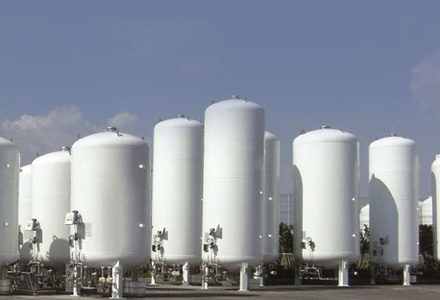
Cryogenic storage tanks are indispensable pieces of equipment designed for the safe and reliable storage of liquefied gases at extremely low temperatures. These essential vessels are critical for various industries and applications, from healthcare to industrial manufacturing. Commonly used to store liquids like oxygen, nitrogen, argon, and carbon dioxide, these tanks employ advanced thermal insulation to maintain the stability and integrity of their contents. The proper installation and operation of cryogenic storage tanks are paramount to ensure safety, prevent accidents, and guarantee the consistent supply of these essential materials. This guide outlines critical precautions for the installation and use of cryogenic storage tanks, helping operators to mitigate potential hazards and maintain peak performance.
I. Installation Best Practices
The initial installation of a cryogenic storage tank is crucial for its long-term safe operation. Here are several key factors to consider:
Solid Foundation: Cryogenic storage tanks must be installed on a flat, level, and stable foundation made of fireproof and lightning-proof material, such as reinforced concrete. It's essential the foundation can bear the substantial weight of the filled tank and any additional equipment.
Strategic Spacing: Maintain a safe and appropriate distance between the tank and other equipment, structures, or traffic routes. This spacing helps minimize the risk of collisions, vibrations, and external thermal interference. Adequate clearance is essential for inspection, maintenance, and emergency access.
Accessibility and Safety Features: Ensure the tank is positioned for easy access for operation, maintenance, and emergency response. Proper installation of safety features like safety valves, pressure gauges, liquid level indicators, and thermometers is non-negotiable. These instruments allow for real-time monitoring and control of critical parameters like pressure, liquid levels, and internal temperature.
Professional Installation: It's vital to involve certified professionals in the installation process. They will understand the complex requirements of cryogenic systems, ensuring all connections are secure, and safety standards are met.
Grounding and Lightning Protection: Due to the potential for static discharge, a proper grounding system is mandatory. Additionally, ensure the site is equipped with comprehensive lightning protection to prevent damage and maintain safety.
II. Operational Guidelines for Safe and Efficient Use
The operation of cryogenic storage tanks requires strict adherence to safety procedures to avoid accidents and ensure the integrity of the equipment.
Pre-Operation Checklist: Before beginning any operation, always check that all safety valves, pressure gauges, and other instruments are functioning correctly and are within the appropriate calibration.
Personal Protective Equipment (PPE): Operators should always wear proper PPE, including:
Anti-static clothing and shoes to prevent static electricity buildup.
Safety helmets to protect against falling objects.
Insulated gloves and face masks to protect against cryogenic burns (frostbite)
Electrostatic Discharge Management: Before entering the working area, always touch designated static release points to discharge any accumulated static electricity.
Filling and Discharge Procedures: Strictly follow the specific filling and discharge protocols for the tank. Avoid overfilling or rapid changes in pressure during filling or emptying, as this can cause damage to the tank or its accessories. The procedure should be carefully managed to prevent pressure fluctuations and any risks associated with sudden changes.
Routine Inspection and Maintenance:
Conduct regular inspections for leaks, corrosion, or damage, and address any issues immediately.
Check the functionality and integrity of all valves, gauges, and safety devices.
Replace any damaged or worn parts in a timely manner.
Prohibited Actions:
Never move the vehicle during the filling/discharging process to avoid disconnection and potential leaks.
Never touch or step on low-temperature pipes or equipment.
Never beat or try to heat frozen parts.
Never allow moisture, oil, or mechanical impurities into the pipelines to prevent clogging.
Adherence to Operating Procedures:
Always follow the approved operating procedures and documentation.
Maintain a two-person operation standard, where one person operates and the second supervises to maintain safety.
Maintain meticulous records of all operations, inspections, and maintenance.
Emergency Preparedness: Implement a detailed emergency plan that includes:
Emergency shut-off procedures.
Clear evacuation routes and assembly points.
Contact details for emergency services and personnel.
Training for operators to handle potential hazards effectively.
III. Regulatory Compliance and Safety
Local and International Standards: Ensure strict adherence to all applicable regulations, safety codes, and industry best practices regarding the construction, installation, operation, and maintenance of cryogenic storage tanks. This includes compliance with environmental regulations related to emissions and waste management.
Regular Training and Certification: Operators of cryogenic storage tanks must be appropriately trained and certified to understand all safety protocols, emergency response plans, and operational best practices. Ongoing training programs will keep personnel up-to-date with any changes in standards or procedures.
Risk Assessment: Conduct a thorough risk assessment prior to any operational activity to identify potential hazards and implement the required risk controls.
Company Profile: HNJS - Your Trusted Partner in Cryogenic Storage Solutions
Since our establishment in 2002, HNJS has been a leading force in the design, development, and manufacturing of high-quality pressure vessels, cryogenic equipment, and comprehensive gas systems. Located in Anyang City, Henan Province, we are dedicated to delivering innovative and reliable solutions that meet the evolving needs of our global clientele. We pride ourselves on our commitment to quality, innovation, and customer satisfaction, and we continually strive to excel in the field of cryogenic engineering. Our products are engineered to provide efficient and safe storage of various cryogenic liquids across numerous applications. Choose HNJS for dependable, cutting-edge cryogenic storage solutions.
Key Takeaways
Proper installation, careful operation, adherence to safety guidelines, and regular maintenance are essential to ensure the safe and reliable performance of cryogenic storage tanks. This approach will help minimize potential hazards, extend the lifespan of equipment, and enhance overall operational efficiency.



Comments