

Why Are Carbon Dioxide (CO2) Storage Tanks So Prevalent? Applications and Safety Considerations
Why Are Carbon Dioxide (CO2) Storage Tanks So Prevalent? Applications and Safety Considerations
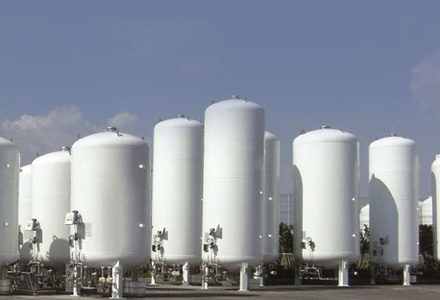
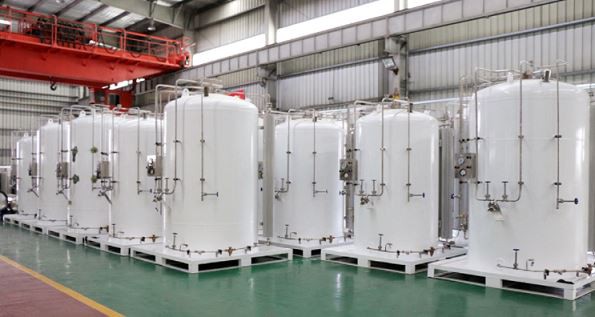
Carbon dioxide (CO2) storage tanks are indispensable across a multitude of industries due to the diverse applications of liquid CO2. Liquid carbon dioxide functions not only as a crucial refrigerant, vital for applications ranging from food preservation and maintaining the cold chain in transportation to innovative weather modification techniques like artificial rainfall, but also as a key industrial feedstock. Its versatility allows for the synthesis of essential products like soda ash (sodium carbonate), urea (a widely used fertilizer), and carbonated beverages like soda water. The widespread utility of liquid CO2 underscores the necessity for effective and safe CO2 storage solutions, hence the prevalence of specialized storage tanks. To minimize potential operational risks and ensure optimal performance, specific guidelines must be rigorously followed.
Installation Best Practices for CO2 Storage Tanks
The location chosen for a CO2 storage tank is paramount. It should be a well-ventilated area, ideally an outdoor setting enclosed by a secure perimeter fence. Maintaining a safe distance is crucial; a minimum clearance of 5.5 meters (approximately 18 feet) must be maintained from any potential ignition sources, including open flames, flammable materials, explosive substances, or areas prone to accumulating heavier-than-air CO2, such as low-lying ground. Proper ventilation mitigates the risk of CO2 accumulation, which could create an asphyxiation hazard.
Grounding and Lightning Protection: Preventing Electrical Hazards
Given the potential for static electricity buildup, all CO2 storage tanks must be equipped with comprehensive grounding and lightning protection systems. These systems are designed to safely dissipate static charges, thereby reducing the risk of sparks that could ignite flammable materials (if present in the vicinity). The anti-static grounding resistance should be rigorously maintained below 10 ohms (Ω). The lightning protection system, designed to withstand the impact of lightning strikes, should have an impact resistance of 30 Ω. Furthermore, these systems should undergo mandatory annual inspections to verify their continued effectiveness and compliance with safety standards. These tests are critical for ensuring the safety of the surrounding environment.
Preventative Maintenance and Material Compatibility
Strict adherence to maintenance protocols is vital for the long-term reliability of CO2 storage systems. The use of oil on any part of the system is strictly prohibited. Regular and thorough inspections are mandatory. Valves, which are critical components for controlling the flow of CO2, must be constructed from materials compatible with CO2, such as stainless steel or copper alloys. Routine inspections of these valves should be conducted alongside a strict degreasing process to prevent contamination and ensure proper functionality.
Operational Procedures and Safety Precautions
During operation, careful control of valve manipulation is essential. Valves should be opened and closed slowly and deliberately to prevent pressure surges and potential damage to the system. During shutdown procedures, the booster valve, responsible for maintaining pressure within the tank, must be securely closed to prevent backflow and ensure the integrity of the storage system.
Repair Procedures and Temperature Considerations
Performing hot work (welding, cutting, etc.) on a CO2 storage tank containing liquid CO2 is strictly prohibited. Before any repair work is undertaken, the tank must be completely emptied and allowed to reach ambient temperature. This process ensures that there is no residual CO2 pressure or extremely cold surfaces that could pose a hazard to workers.
Post-Emptying Procedures: Preventing Pipe Blockage
When a CO2 storage tank has been emptied and cannot be immediately warmed to room temperature, all valves must be promptly and tightly sealed. The extremely low temperature inside the tank can cause moist air to be drawn in through connecting pipes. This moisture can then freeze, leading to ice formation and potentially blocking the pipes, thereby disrupting future operations. Sealing the valves prevents this issue, safeguarding the system from potential damage and ensuring its readiness for future use.



Comments