

The Vital Role of LNG Storage Tanks in the Natural Gas Industry
The Vital Role of LNG Storage Tanks in the Natural Gas Industry
Liquefied Natural Gas (LNG) has emerged as a pivotal fuel source in the global energy market, garnering significant attention for its versatility and wide range of applications. From powering homes and industries to fueling transportation, LNG's importance is undeniable. However, its inherent gaseous state at standard temperature and pressure presents logistical challenges. To overcome these hurdles and facilitate efficient transportation and storage, LNG undergoes a transformation into a liquid state. This crucial process relies heavily on specialized LNG storage tanks, engineered to maintain the cryogenic conditions necessary for preserving the liquid form and carefully managing internal pressure.
LNG Storage Tanks: Guardians of Liquidity and Facilitators of Distribution
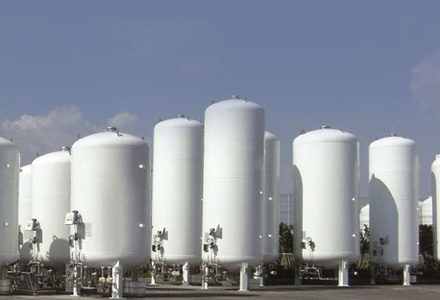
The primary functions of LNG storage tanks are twofold: secure storage and efficient transportation. Given the extremely low temperatures required to maintain LNG in its liquid state (approximately -260°F or -162°C), maintaining a stable thermal environment within the storage tank is paramount. Therefore, meticulous design and construction are essential. Modern LNG storage tanks typically feature a double-walled construction, consisting of two concentric cylinders. The space between these walls is filled with high-performance insulation materials, such as perlite or vacuum insulation, to minimize heat transfer and prevent the LNG from vaporizing prematurely. This sophisticated insulation system effectively mitigates boil-off gas, ensuring the LNG remains in its liquid form for extended periods.
Furthermore, these tanks are not just passive containers; they are often equipped with sophisticated pressure control systems to manage the natural boil-off gas and maintain optimal operating pressure within the tank. These systems can include boil-off gas compressors, recondensers, and flare systems, ensuring safe and efficient operation.
Beyond Storage: The Strategic Significance of LNG Tanks in the Energy Supply Chain
The importance of LNG storage tanks extends far beyond simple containment. These tanks play a vital role in optimizing the entire LNG supply chain, contributing to energy security and market stability. Consider the alternatives: relying solely on natural gas pipelines, particularly for long distances or across marine environments, can be prohibitively expensive and subject to geopolitical risks. LNG storage tanks offer a flexible and cost-effective alternative.
Their durability and capacity for long-term storage allow for:
Strategic Reserves: LNG storage tanks enable nations to build strategic reserves of natural gas, enhancing energy security and providing a buffer against supply disruptions.
Peak Demand Management: During periods of high demand, such as winter months, LNG storage tanks can supplement pipeline gas supplies, ensuring a reliable energy supply to consumers and industries.
Global Trade Facilitation: LNG storage tanks located at import and export terminals are crucial for facilitating international trade in natural gas, connecting supply sources with demand centers around the world. This global trade is increasingly important as nations diversify their energy sources and seek to reduce reliance on specific suppliers.
Optimizing Transportation Costs: LNG storage at both the origin and destination points allows for more efficient and flexible shipping schedules, optimizing vessel utilization and reducing transportation costs.
Enabling Remote Access: LNG storage facilitates access to natural gas for remote locations where pipeline infrastructure is not feasible or cost-effective, promoting economic development and improving quality of life in underserved communities.
In conclusion, LNG storage tanks are indispensable components of the modern natural gas industry. Their sophisticated design and critical role in storage, transportation, and supply chain management make them essential for ensuring a reliable, affordable, and secure energy future. As global demand for natural gas continues to rise, the importance of these often-unseen but vital assets will only continue to grow.




Comments